
Titanium LMP Shielding Chamber
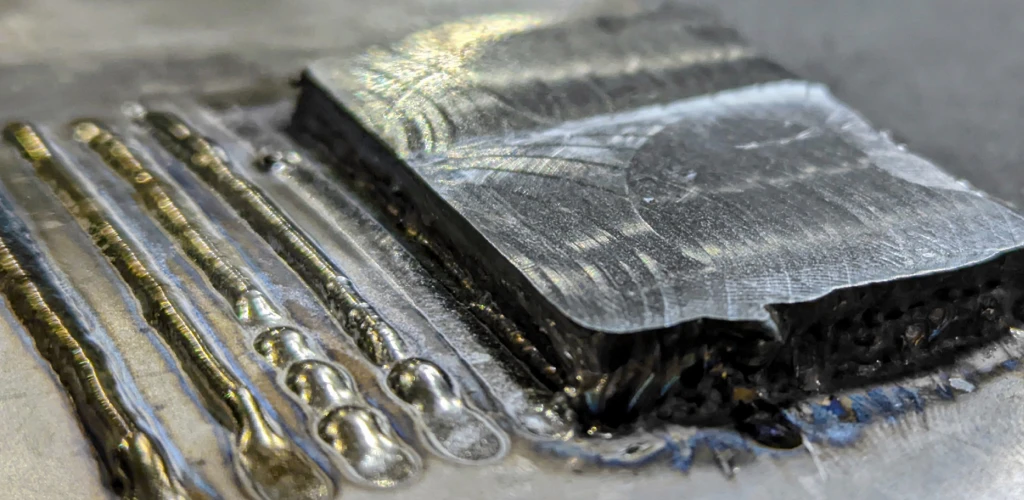
The susceptibility of titanium to oxidization poses a formidable challenge during laser materials processing, especially at temperatures exceeding 450°C. To counteract oxygen absorption, an effective shielding mechanism is imperative. Numerous shielding chambers have been explored, each with its shortcomings. This project introduces an innovative solution—a positive-pressure chamber, adept at rectifying previous design flaws and ensuring uninterrupted shielding during laser materials processing of titanium alloys, illustrated in Figure 1. The discussion culminates in the examination of an additively manufactured titanium sample crafted within this enhanced chamber, showcasing the practical implications of our shielding solution.
Aluminum to Copper Dissimilar Laser Joining
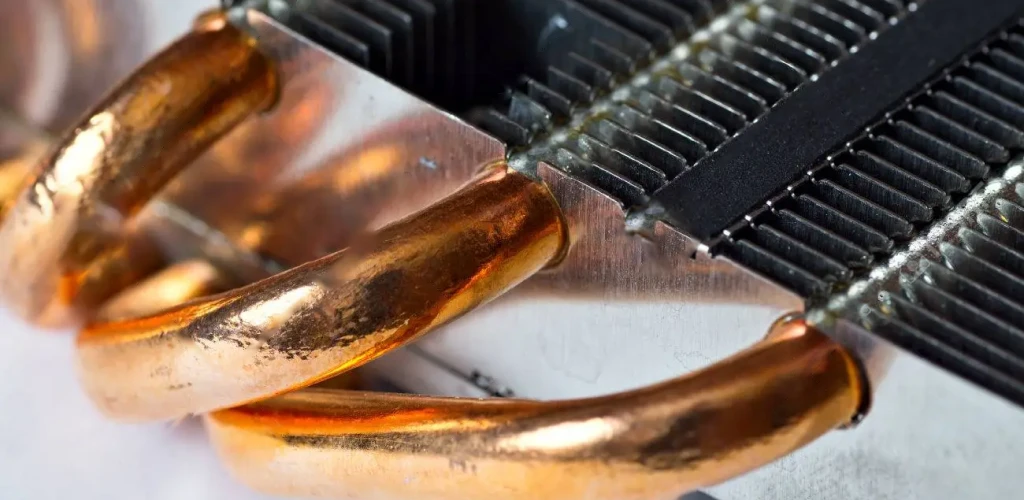
Dissimilar joints especially aluminum (Al) to copper (Cu) have been drawn enormous attention in recent years. Challenges of joining aluminum to copper could be (1) high thermal conductivity and high reflectivity of these metals and (2) formation of Intermetallic Components (IMCs). To overcome these shortcomings, a method is presented for dissimilar joining aluminum to copper with stainless steel 316L interlayer. The method is included laser welding and laser material deposition processes for creating bimetal and attaching it to the base metal. It has been seen this resulted joint was deeper and wider than previous studies.
Laser Welding Seam Tracking
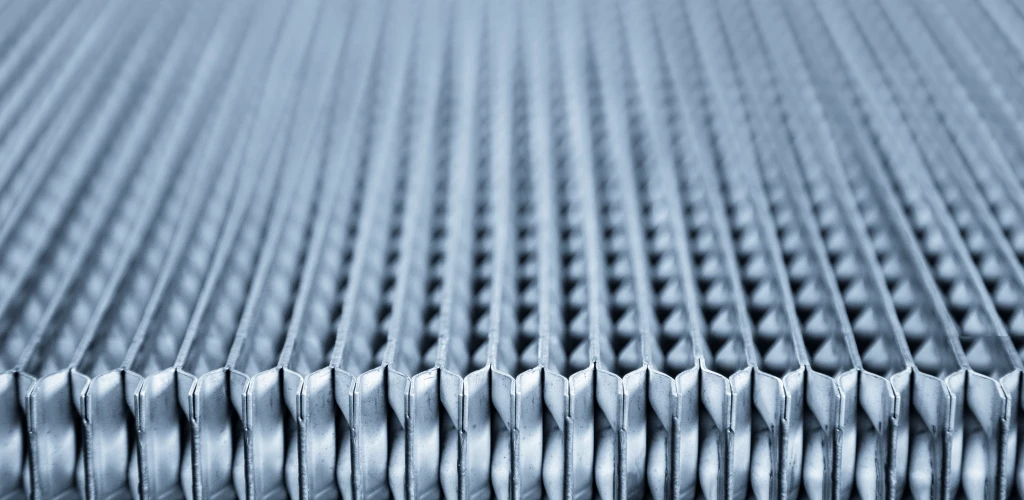
The primary hurdle in programming of laser welding’s motion systems lies in the alignment of laser beam with the seams to achieve a high-quality weld. Traditionally, achieving such weld joints necessitated the programmer to manually set numerous points along the seam—a time consuming process. In response to this challenge, our project introduces a real-time seam tracking system. This system is adept at sensing and generating the optimal welding path in real-time, concurrently guiding the robotic system accordingly. A camera captures online images, and a processing algorithm analyzes these images to accurately indicate the welding path.
Manufacturing of Rotary Cutter
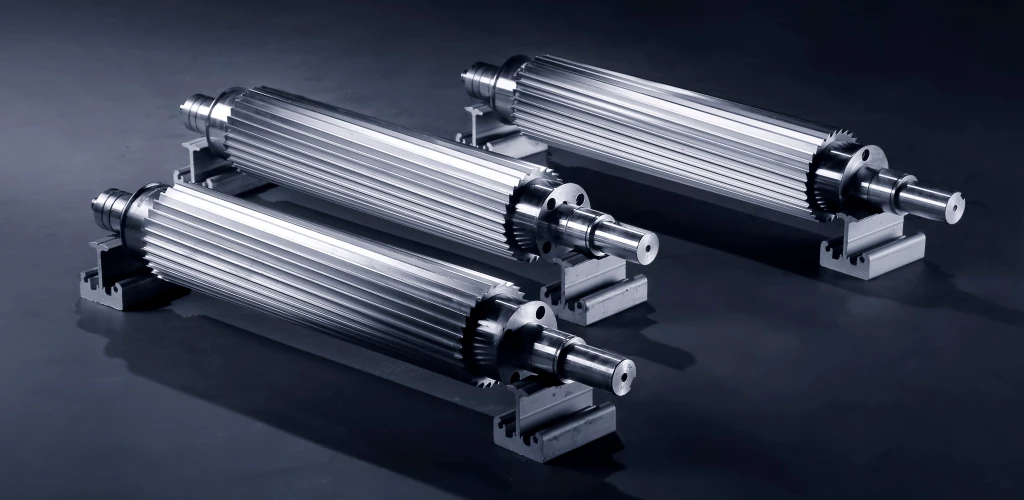
At the Metalaser Laboratory, we developed a process for manufacturing a rotary cutter for the pelletizing process in petrochemical companies. Rotary cutters are mainly subjected to wear and cyclic fatigues due to harsh and wear-full environments in which they are utilized. Using laser directed energy deposition (L-DED), a wear-resistance material deposited on the base metal. This process decreased the overall cost following lower material consumption and enhanced the part’s life cycle intensively.
Aero-turbine Blade Repairing
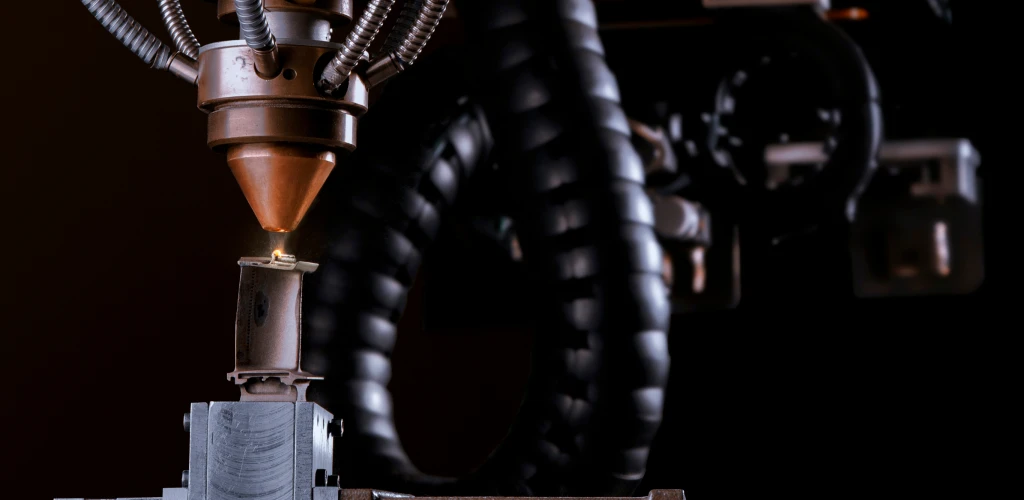
In Metalaser Laboratory, we have pioneered a restoration process for damaged High-Pressure Turbine (HPT) blades in aero gas turbine engines. Leveraging Laser Directed Energy Deposition (L-DED), our method involves using a laser beam to forge a robust metallurgical bond between the machined surface of the damaged part and filler metal, adhering to on-the-shelf and new blade specifications. The process on the blades underwent rigorous testing through Finite Element Method (FEM), and the resulted microstructure of the added layers was investigated by Optical Microscopy (OM).
Sennheiser Embraces Additive Manufacturing for IE 600 Earphones
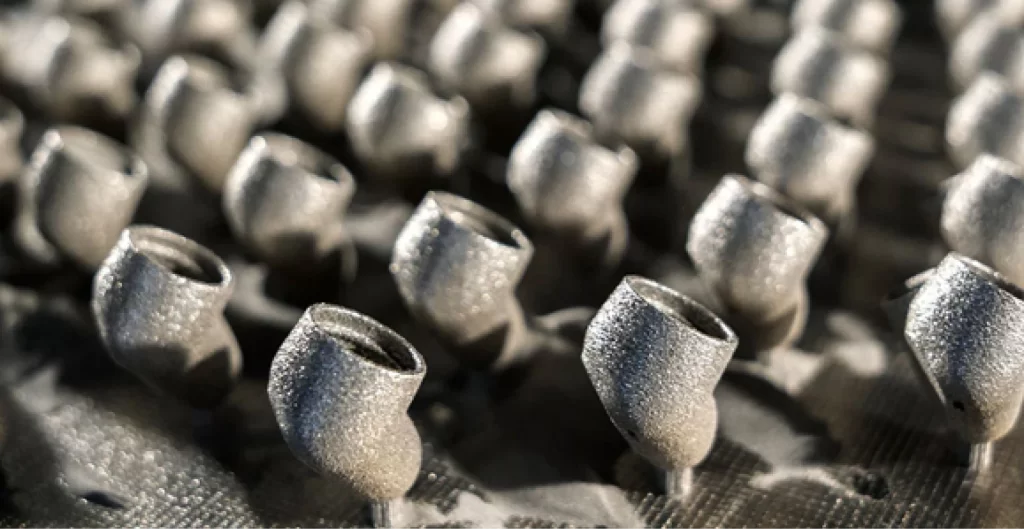
The recently unveiled IE 600 earphones from Sennheiser electronic GmbH & Co KG showcase an innovative approach to design and manufacturing. The key highlight is the utilization of metal Additive Manufacturing (AM) for the earphone housings, providing a protective and intricate structure for the delicate transducer. These metal AM housings, meticulously hand-finished for aesthetic appeal, eliminate the need for milling after production, allowing for the creation of complex chambers and channels.
Sennheiser Embraces Additive Manufacturing for IE 600 Earphones
The recently unveiled IE 600 earphones from Sennheiser electronic GmbH & Co KG showcase an innovative approach to design and manufacturing. The key highlight is the utilization of metal Additive Manufacturing (AM) for the earphone housings, providing a protective and intricate structure for the delicate transducer. These metal AM housings, meticulously hand-finished for aesthetic appeal, eliminate the need for milling after production, allowing for the creation of complex chambers and channels.
Sennheiser Embraces Additive Manufacturing for IE 600 Earphones
The recently unveiled IE 600 earphones from Sennheiser electronic GmbH & Co KG showcase an innovative approach to design and manufacturing. The key highlight is the utilization of metal Additive Manufacturing (AM) for the earphone housings, providing a protective and intricate structure for the delicate transducer. These metal AM housings, meticulously hand-finished for aesthetic appeal, eliminate the need for milling after production, allowing for the creation of complex chambers and channels.